What the King of Swords means in Tarot
The King of Swords is the most senior of the four court characters of the suit of swords, and the most mature: if the Page of Swords is just curiosity about the truth, the Knight is a swift attack with words, and the Queen is the ability to see the essence without unnecessary emotions, then the King is the skill to apply this sober vision as power. Swords in Tarot are responsible for the mind, speech, and decisions; their element is air — it does not warm or nourish, it clears the fog.
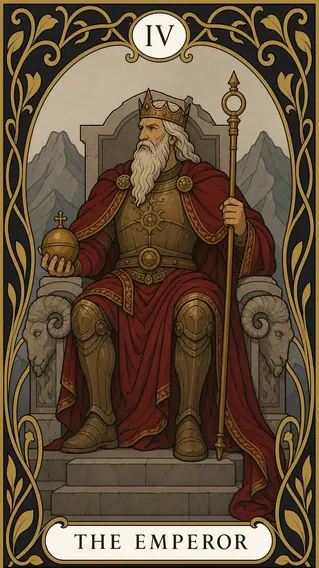
An important nuance that is lost in retellings: the minor arcana describes an episode and a specific role, not a person's character for life. If the senior Emperor is about power as a structure in general, then the King of Swords in a spread is about the fact that here and now the decision is made by a cold head, not a hot heart: a judge, an expert, a leader, and sometimes just a sober voice in a conversation that finally said the obvious out loud.
The upright position is read unambiguously: clarity, objectivity, readiness to call things by their names, even if it is uncomfortable. The card does not promise softness — it promises accuracy. The closer the question is to facts, a contract, or a dispute that needs to be judged, the more confident the King of Swords sounds; the closer it is to feelings that just need to be experienced with someone, the less this card is in its place.
Reversed King of Swords: meaning
The reversed King of Swords is the same sharp mind, but turned in the wrong direction. Usually, the spread refers to one of three options, and the question helps to choose.
- Logic at the service of manipulation. Facts are selected to justify the desired conclusion, not to find the truth; the argument is won not because one is right, but because one is better at using words.
- Coldness instead of sobriety. The decision is made correctly in form and cruel in essence: it is not taken into account that there is a living person nearby, not just a task.
- Power through pressure. Authority that relies on sharpness and the ability to put someone in their place, rather than respect for them.
There is also a soft reading: sometimes the reversed King of Swords is not cruelty, but fatigue from the need to always be the one who decides and is responsible for others' mistakes. The difference is whether this fatigue is taken out on others or remains with the person.
King of Swords in a "yes or no" spread
In "yes/no" spreads, the King of Swords is read as yes — if the question can be solved by facts, calculation, or a sober conversation. "Will I win the argument if I present arguments," "will they accept my proposal if it is logically justified" — here the card answers affirmatively.
the answer becomes cautious if the question is about feelings, not decisions: "will they love," "will they forgive" — the King of Swords is not about an emotional outcome, but about whose position will turn out to be more convincing. Blindly applying his "yes" to such questions is not worth it.
Reversed King of Swords in this spread is "yes, but in a dishonest way": the argument will win only if it is abused, and after such a victory, one usually has to deal with its cost.
King of Swords in relationships and feelings
In a relationship spread, the upright King of Swords describes a partner or a situation where honesty is valued more than romance: a person who will say directly what they want and what they are not ready to tolerate, instead of hinting for years. This is not the warmest card for relationships, but one of the most reliable: there is less ambiguity next to it.
In the position of feelings, the King of Swords is an attachment that relies on respect and conversation, not passion. It describes mature relationships well, where partners treat each other as equal interlocutors, and worse — infatuation on the verge of madness, for which there are other cards in the deck.
Reversed King of Swords in relationships is criticism that pressures rather than helps; a partner who is always right in form and lonely in essence. Or a person who hides behind logic an unwillingness to talk about what they actually feel.
King of Swords in work and money
In career spreads, the King of Swords is a figure with real intellectual power: a lawyer, an expert, a leader who makes decisions based on the merits of the case, not on sympathies. The card describes well the moment when exactly such a person is needed nearby — someone who will break down the situation by facts and will not let themselves be swayed by pity.
In money, the upright position is sober calculation instead of impulsive spending: a contract that should be reread before signing, an investment that should be checked with numbers, not intuition. This is not a card of quick profit — it is about decisions that will not be shameful to explain after the fact.
Reversed King of Swords at work is a boss or partner who is formally right and unbearable in manner; or one's own tendency to stifle any discussion with arguments instead of hearing the person opposite.
King of Swords as a person: man and woman
When the King of Swords appears in the "what kind of person" position, it does not necessarily describe a man — it is a role, not a gender: someone who in a situation becomes the voice of reason, a judge, the one to whom people go for a sober opinion, not for comfort.
A man-King of Swords is direct, laconic, and does not tolerate empty talk; it is difficult to be evasive next to him and easy to get an honest answer, even if it is unpleasant. A woman-King of Swords is the same role without a discount for "softness": she formulates clearly, does not adapt, and does not soften the truth for the sake of someone else's comfort.
The downside for both is the same: it is difficult for such a person to be the first to speak about their vulnerability, and sometimes it is precisely warmth, not intelligence, that is missing next to them.
အတွေးအခေါ်ပိုင်းဆိုင်ရာ နေရာတွင် ဓားဘုရင်
အတွေးအခေါ်ပိုင်းဆိုင်ရာ နေရာတွင် ဓားဘုရင်သည် ရှင်းလင်းပြီး စနစ်တကျရှိသော စိတ်ကို ကိုယ်စားပြုသည်။ လူတစ်ဦးသည် အခြေအနေကို အချက်အလက်အလိုက် ခွဲခြမ်းစိတ်ဖြာပြီး စိတ်ခံစားချက်နောက် မလိုက်ဘဲ အမှန်တရားကို ခွဲခြားသိမြင်နိုင်စွမ်းရှိသည်။ ၎င်းသည် စိုးရိမ်ပူပန်မှုထက် တည်ငြိမ်သော ခွဲခြမ်းစိတ်ဖြာမှု အခြေအနေဖြစ်သည်။
အားနည်းချက်မှာ ထိုသို့သောဉာဏ်ရည်သည် ခံစားချက်ထက် ယုတ္တိဗေဒကိုသာ အလွန်အမင်း ဦးစားပေးတတ်ခြင်းဖြစ်သည်။ အကယ်၍ ဓားဘုရင်နှင့်အတူ ဖလား (Cups) ကတ်များ ပေါ်လာပါက မိမိကိုယ်ကို ရိုးသားစွာ ဆွေးနွေးမှု လိုအပ်နေသလား စစ်ဆေးသင့်သည်။ ပန်တာကယ် (Pentacles) ကတ်များနှင့်အတူ ပေါ်လာပါက ခွဲခြမ်းစိတ်ဖြာမှုသည် လက်တွေ့ကျသော အဖြေတစ်ခုဆီသို့ ဦးတည်သွားပါလိမ့်မည်။
ဓားဘုရင် (King of Swords) ကျလာလျှင် ဘာလုပ်သင့်သလဲ
ကတ်၏ တိုက်ရိုက်အကြံပြုချက် - ဦးနှောက်ဖြင့် ဆုံးဖြတ်ပါ၊ သို့သော် သင့်ပတ်ဝန်းကျင်တွင် လူသားများ ရှိနေသေးကြောင်း မမေ့ပါနှင့်။ ဓားဘုရင်သည် အဓိကအချက်ကို ခွဲခြားသိမြင်နိုင်စွမ်းကို ပေးသည်။ သို့သော် ထိုရှင်းလင်းပြတ်သားမှုကို အခြားသူများအပေါ် လက်နက်တစ်ခုလို အသုံးမချမိစေရန် သတိပြုပါ။
လုပ်ဆောင်သင့်သည့်အချက်များ -
၁။ အခြေအနေကို အချက်အလက်အတိုင်း တင်ပြပါ - ဆုံးဖြတ်ချက်မချမီ မိမိဖြစ်ချင်သည့်အရာနှင့် အမှန်တရားကို ခွဲခြားပါ။
၂။ အခြားသူ၏ အမြင်ကို မေးမြန်းပါ - ဆုံးဖြတ်ချက်သည် သင့်တစ်ဦးတည်းနှင့် မသက်ဆိုင်ပါက အခြားသူများ၏ အမြင်ကို နားထောင်ပါ။
၃။ အနှစ်သာရကို မထိခိုက်စေဘဲ ပုံစံကို နူးညံ့အောင် ပြောပါ - အမှန်တရားကို ပြောဆိုရာတွင် သူတစ်ပါးကို မထိခိုက်စေဘဲ ပြောဆိုနိုင်ပါသည်။
၄။ ဆုံးဖြတ်ချက်ကို စိတ်ခံစားချက်နှင့် ခွဲခြားပါ - ဓားဘုရင်သည် စိတ်အေးလက်အေးရှိမှသာ အလုပ်ဖြစ်ပါသည်။
အကယ်၍ ပဋိပက္ခဖြစ်နေပါက ယုတ္တိဗေဒတစ်ခုတည်းဖြင့် မလုံလောက်ဘဲ ရိုးသားပွင့်လင်းသော ဆွေးနွေးမှု သို့မဟုတ် ကျွမ်းကျင်သူ၏ အကူအညီ လိုအပ်နိုင်ပါသည်။
ကတ်ပေါ်တွင် ဘာတွေပုံဖော်ထားသလဲ
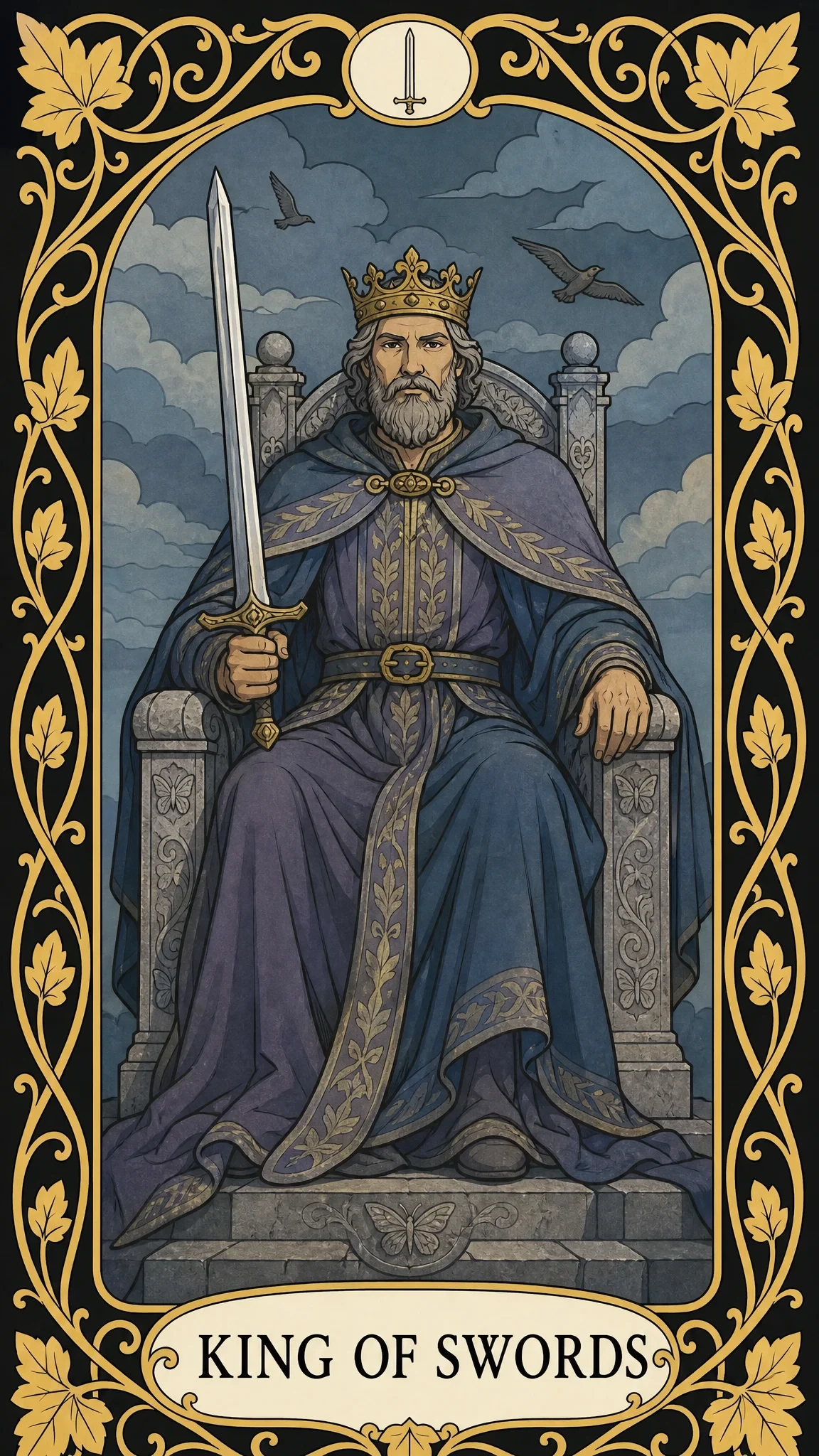
ကျွန်ုပ်တို့၏ကတ်တွင် ကျောက်ထိုင်ခုံပေါ်တွင် ထိုင်နေသော မုတ်ဆိတ်မွေးနှင့် ဆံပင်ဖြူနေသည့် အမျိုးသားတစ်ဦးကို တွေ့ရမည်။ သူသည် ရွှေရောင်ပန်းပွင့်ပုံစံများပါသော အပြာရောင်ဝတ်ရုံကို ဝတ်ဆင်ထားသည်။ ခေါင်းတွင် လီလီပန်းပုံစံ ရွှေရောင်သရဖူကို ဆောင်းထားပြီး ညာလက်တွင် ဓားကို အပေါ်သို့ ထောင်ထားသည်။ ဘယ်လက်သည် ထိုင်ခုံလက်တင်ပေါ်တွင် တည်ငြိမ်စွာ ရှိနေသည်။ နောက်ခံတွင် တိမ်တိုက်များပါသော အပြာရောင်ကောင်းကင်နှင့် ငှက်နှစ်ကောင် ပျံသန်းနေသည်။
ဤမြင်ကွင်း၏ အဓိပ္ပာယ်မှာ -
- ထောင်ထားသောဓား - တိုက်ခိုက်ရန်မဟုတ်ဘဲ တရားစီရင်ခြင်း၏ သင်္ကေတဖြစ်သည်။ ဓားကို ချိန်ခွင်လျှာကဲ့သို့ ဒေါင်လိုက်ကိုင်ထားခြင်းက အာဏာသည် အကြမ်းဖက်မှုမဟုတ်ဘဲ ဆုံးဖြတ်ချက်တွင် ရှိကြောင်း ပြသသည်။
- လွတ်လပ်သော ဘယ်လက် - ဘုရင်သည် ထိုင်ခုံကို တင်းကျပ်စွာ မဆုပ်ကိုင်ထားပါ။ အာဏာသည် ကြောက်ရွံ့မှုအပေါ် မဟုတ်ဘဲ ရှင်းလင်းပြတ်သားမှုအပေါ် အခြေခံသည်။
- ကောင်းကင်မှ ငှက်များ - လေဓာတ်ကို ကိုယ်စားပြုသည်။ မြေပြင်ကတ်များ ရပ်တန့်နေချိန်တွင် လွတ်လပ်စွာ ရွေ့လျားနေသော အတွေးအခေါ်ကို ပြသည်။
- ထိုင်ခုံပေါ်မှ လိပ်ပြာရုပ်များ - အတွေးအခေါ်မှတစ်ဆင့် ပြောင်းလဲခြင်းကို ဆိုလိုသည်။ ပြတ်သားသော စီရင်ချက်များသည် အချိန်ကြာလာသည်နှင့်အမျှ ပညာဉာဏ်အဖြစ် ပြောင်းလဲသွားသည်။
ကတ်၏အောက်ခြေတွင် KING OF SWORDS ဟု ရေးသားထားပြီး အပေါ်တွင် ဓားပုံပါသော တံဆိပ်တစ်ခု ရှိသည်။ ဤသည်မှာ Rider-Waite ရိုးရာပုံစံဖြစ်သည်။
နေ့စဉ်ကတ်အဖြစ် ဓားဘုရင်
ဓားဘုရင်သည် နေ့စဉ်ကတ်အဖြစ် ကျလာပါက အချိန်အတော်ကြာ ရွှေ့ဆိုင်းထားသော ဆုံးဖြတ်ချက်များအတွက် ကောင်းသောနေ့ဖြစ်သည်။ အငြင်းပွားမှုများကို ဖြေရှင်းရန်၊ ရှောင်လွှဲနေသော မေးခွန်းများကို တိုက်ရိုက်ဖြေဆိုရန် သို့မဟုတ် စာရွက်စာတမ်းများကို စစ်ဆေးရန် သင့်တော်သည်။
အကယ်၍ ကတ်သည် ပြောင်းပြန်ကျလာပါက ပြောဆိုသည့်လေသံကို သတိပြုပါ။ အမှန်တရားကို ပြောဆိုရာတွင် ပြင်းထန်လွန်းပါက တိုက်ခိုက်သကဲ့သို့ ထင်ရနိုင်သည်။ စကားမပြောမီ အတွေးကို အရင်ပြင်ဆင်ထားခြင်းက ပိုကောင်းပါသည်။
ဓားဘုရင်ကတ်နှင့် ပတ်သက်သော မေးလေ့ရှိသည့် မေးခွန်းများ
ဒါက Major Arcana လား၊ Minor Arcana လား။
Minor Arcana ဖြစ်ပြီး ဓား (Swords) အုပ်စု၊ လေဓာတ်ဖြစ်သည်။ Tarot ကတ်ပြားတွင် Minor Arcana ၅၆ ခုရှိပြီး ဓားဘုရင်သည် ဓားအုပ်စု၏ အမြင့်ဆုံးကတ်ဖြစ်သည်။
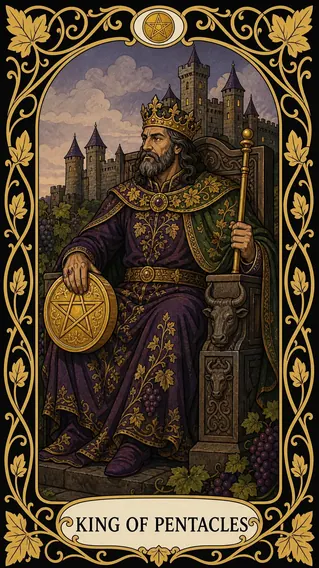
ဓားဘုရင်နှင့် ပန်တာကယ်ဘုရင် (King of Pentacles) ဘာကွာသလဲ။
ဘုရင်နှစ်ပါးစလုံးသည် ရင့်ကျက်သော အာဏာကို ကိုယ်စားပြုသော်လည်း သဘာဝချင်း ကွာခြားသည်။ ဓားဘုရင်သည် လေဓာတ်ဖြစ်ပြီး ဉာဏ်ရည်နှင့် ဆုံးဖြတ်ချက်ကို ဦးစားပေးသည်။ ပန်တာကယ်ဘုရင်သည် မြေဓာတ်ဖြစ်ပြီး ရုပ်ဝတ္ထုပစ္စည်းနှင့် လက်တွေ့ကျမှုကို ဦးစားပေးသည်။ အမှန်တရားကို သိလိုလျှင် ဓားဘုရင်၊ ငွေကြေးနှင့် လက်တွေ့ကျမှုကို သိလိုလျှင် ပန်တာကယ်ဘုရင်ကို ကြည့်ပါ။
ဓားဘုရင်သည် ဟုတ်/မဟုတ် (Yes/No) မေးခွန်းအတွက် ဘာကိုဆိုလိုသလဲ။
အချက်အလက်နှင့် ဆွေးနွေးမှုဖြင့် ဖြေရှင်းနိုင်ပါက 'ဟုတ်ကဲ့' ဟု ဆိုနိုင်ပါသည်။ ၎င်းသည် ယုတ္တိဗေဒ၏ အောင်ပွဲဖြစ်သည်။ အကယ်၍ ခံစားချက် သို့မဟုတ် ခွင့်လွှတ်ခြင်းနှင့် ပတ်သက်ပါက ဓားဘုရင်သည် တိုက်ရိုက်အဖြေမပေးနိုင်ပါ။
ဓားဘုရင် ပြောင်းပြန်ကျလာလျှင် ဘာအဓိပ္ပာယ်လဲ။
ဉာဏ်ရည်ထက်မြက်သော်လည်း အခြားသူကို လေးစားမှုမရှိခြင်း၊ အချက်အလက်များကို အသုံးချ၍ လှည့်ဖြားခြင်း သို့မဟုတ် အာဏာကို အလွဲသုံးစားလုပ်ခြင်းကို ဆိုလိုသည်။ တစ်ခါတစ်ရံတွင် အခြားသူများအတွက် အမြဲဆုံးဖြတ်ပေးနေရသူ၏ ပင်ပန်းနွမ်းနယ်မှုကို ပြသည်။
ဓားဘုရင်သည် အမျိုးသားကိုသာ ဆိုလိုတာလား။
မဟုတ်ပါ။ ကတ်များသည် လူ၏လိင်ကို မဆိုလိုဘဲ စိတ်နေသဘောထားနှင့် အခန်းကဏ္ဍကိုသာ ဆိုလိုသည်။ ဓားဘုရင်သည် အမျိုးသမီးတစ်ဦးလည်း ဖြစ်နိုင်ပြီး သူမသည် အခြေအနေတစ်ခုတွင် တရားသူကြီးကဲ့သို့ ဆုံးဖြတ်ပေးသူ ဖြစ်နိုင်သည်။